The knob every appliance and panel loses. Modeled once as CAD so the customer gets a STEP file and a part that fits the shaft.
Knobs are the most common discontinued plastic part on appliances, test equipment and control panels, and the bore is where they fail. This knob is a parametric family, diameter, height, shaft diameter, flat width, grip scallops, pointer and set screw are all inputs.
The bore is modeled at the size that prints to a snug fit on the shaft. Hole shrink on the printer is size dependent, so the model applies a banded growth measured on calibration coupons rather than a single offset, and the slicer's own hole compensation is left at zero.
Because the knob is built as a solid CAD model, the same file exports a design intent STEP for the customer's records or a machine shop, and a mesh for the printer that passes the same gate as every other part.
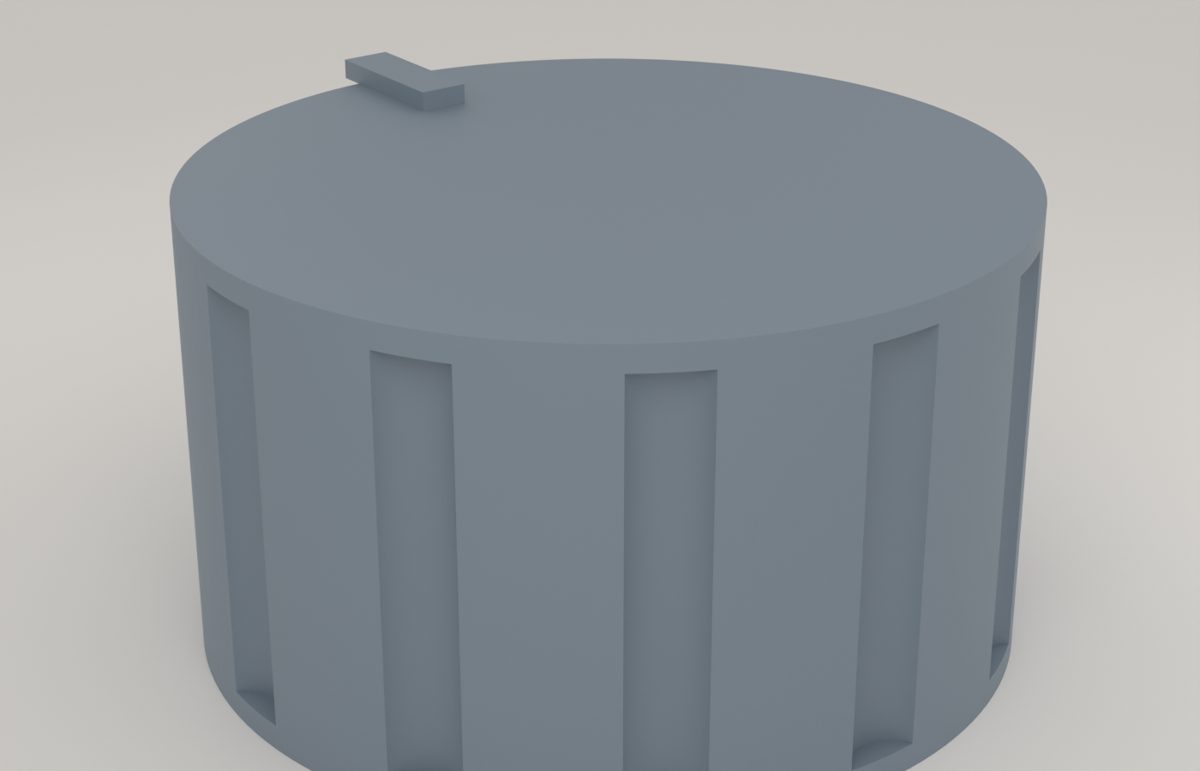
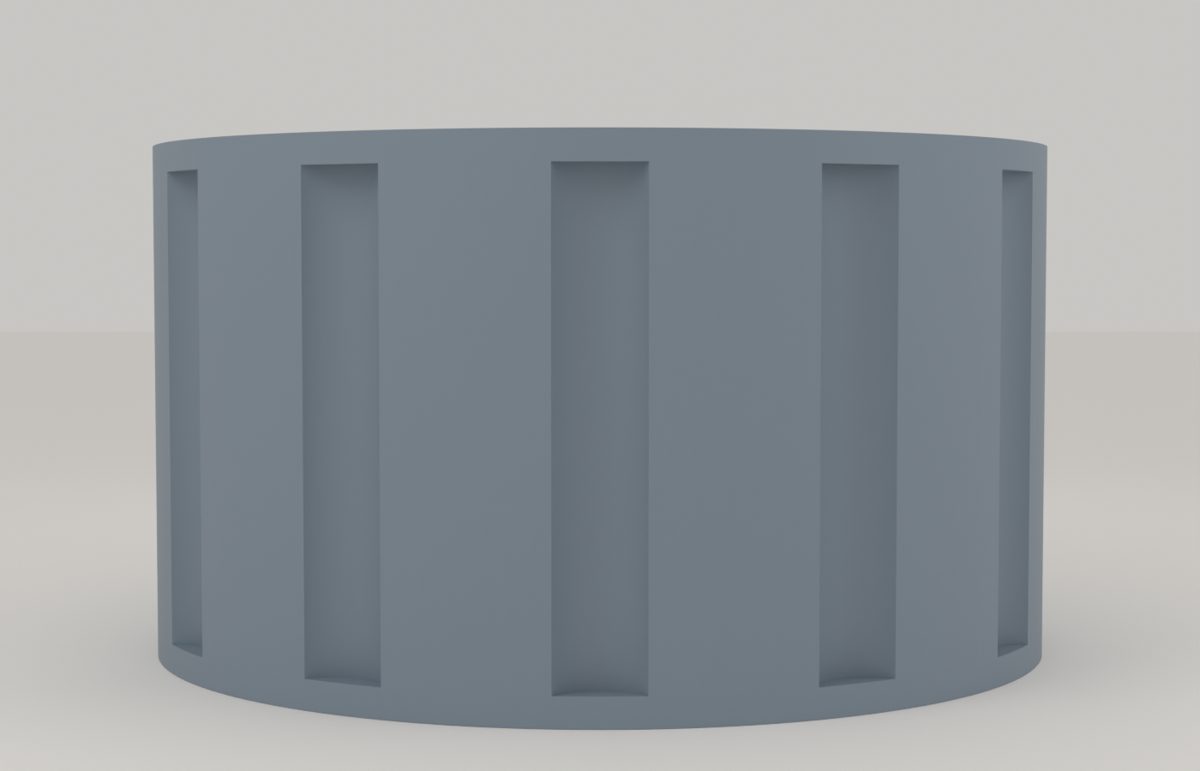
| Shaft | 6.0 mm D shaft, 5.5 mm across the flat, snug fit |
| Material | PETG, 3 walls, 15 percent infill |
| Bore | Modeled at 6.27 mm for PETG so it prints to a snug 6.1 mm fit |
| Deliverables | STEP file, STL, Bambu Studio project, mesh QA report |
| Tolerance | ISO 2768 medium on the bore after first article |
Small holes shrink far more than large ones. A single compensation number cannot fix a 2 mm and a 10 mm hole at once, so the band table is measured per material.
Model the fit, not the slicer. A part that is right in the file is right in any slicer, which matters when a customer prints a reorder elsewhere.
A STEP from CAD is a deliverable. A STEP wrapped around a mesh is not, and machine shops will reject it.
Have a part like this? Send a photo next to a ruler and we quote it in writing.
Get a Free Quote